Contemporary vs Provincial vs Mid-Century: Choosing the Right Kitchen Design for Your Home
Learn the key differences between Contemporary, Provincial, and Mid-Century kitchen designs, and discover how to choose the style that best suits your home, lifestyle, and renovation goals.


Choosing a kitchen design can be harder than it first seems. You might love the clean look of a contemporary kitchen, the warmth of Provincial design, and the character of Mid-Century interiors all at once. We see this often with homeowners who come to us with plenty of ideas but are unsure which direction will work best in their home.
The good news is that you don't have to decide based on looks alone. In this guide, we'll take you through these three styles and help you understand what could work for your space, your lifestyle, and the home around it.
Look at Your Home Before Choosing a Kitchen Style
When we design a kitchen, we never look at the kitchen in isolation. We look at the home around it first. Its architecture, the amount of natural light, the flooring, ceiling height, adjoining rooms and even the way you move between spaces, these help us understand what will feel right.
This doesn't mean an older home must have a traditional kitchen or a new home needs a contemporary one. There is plenty of room to mix ideas.
The important thing is creating a kitchen that feels connected to your home rather than something that has simply been placed inside it.
Contemporary Kitchens: Clean, Considerate and Made for Modern Living
Contemporary kitchens are often recognised by their clean lines, simple cabinetry and uncluttered appearance. But when we design one, simplicity is only part of the thinking. We also consider how storage can be integrated, where appliances should sit and how materials can add warmth without making the space feel busy.
This style works particularly well in modern homes, apartments and open spaces, but it can also sit beautifully within an older property when designed with care. Timber finishes, natural stone and softer textures can bring life to the space while keeping the overall look refined, minimal and contemporary.
Provincial Kitchens: Warm, Detailed with a Sense of Permanence
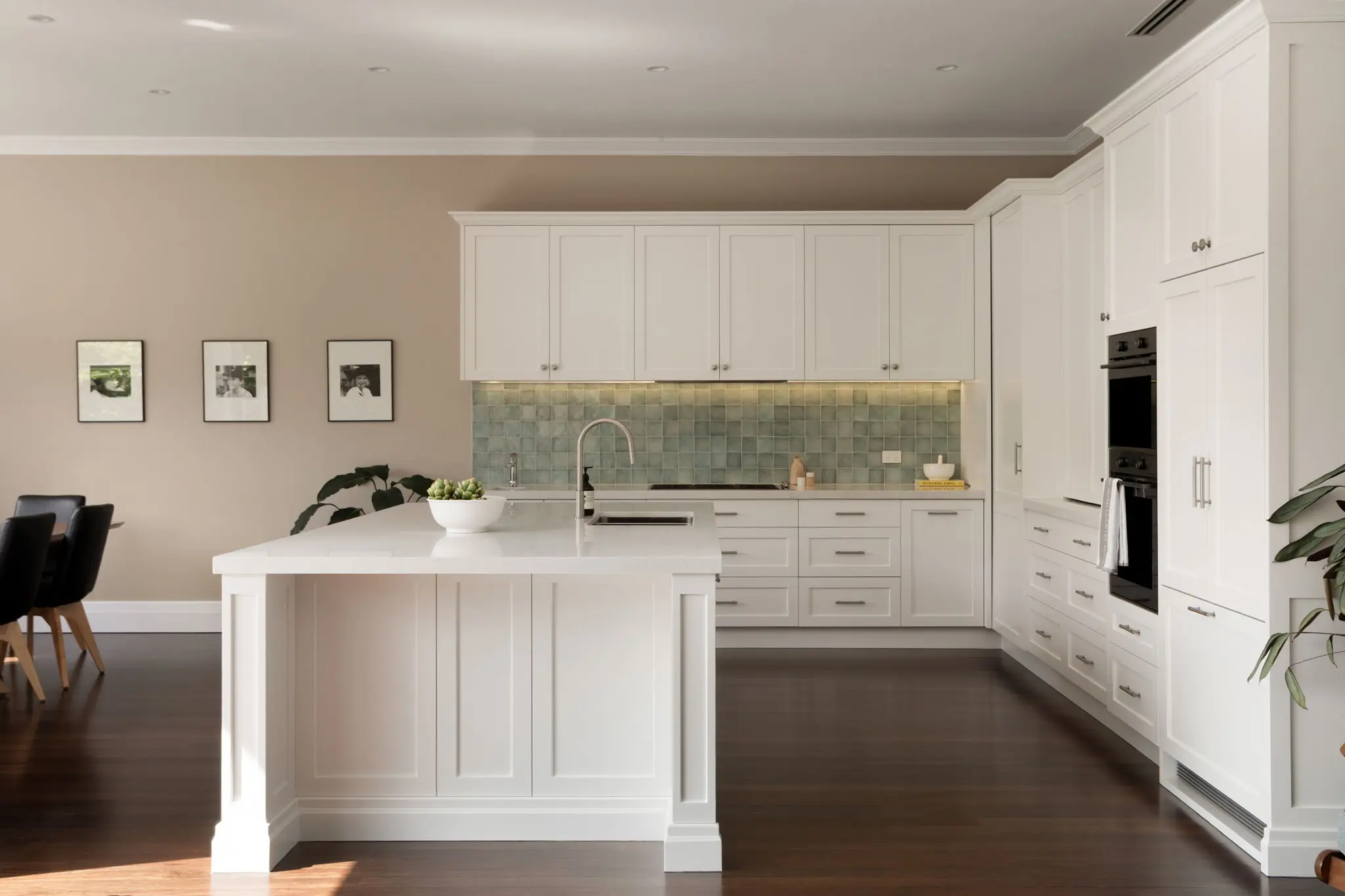
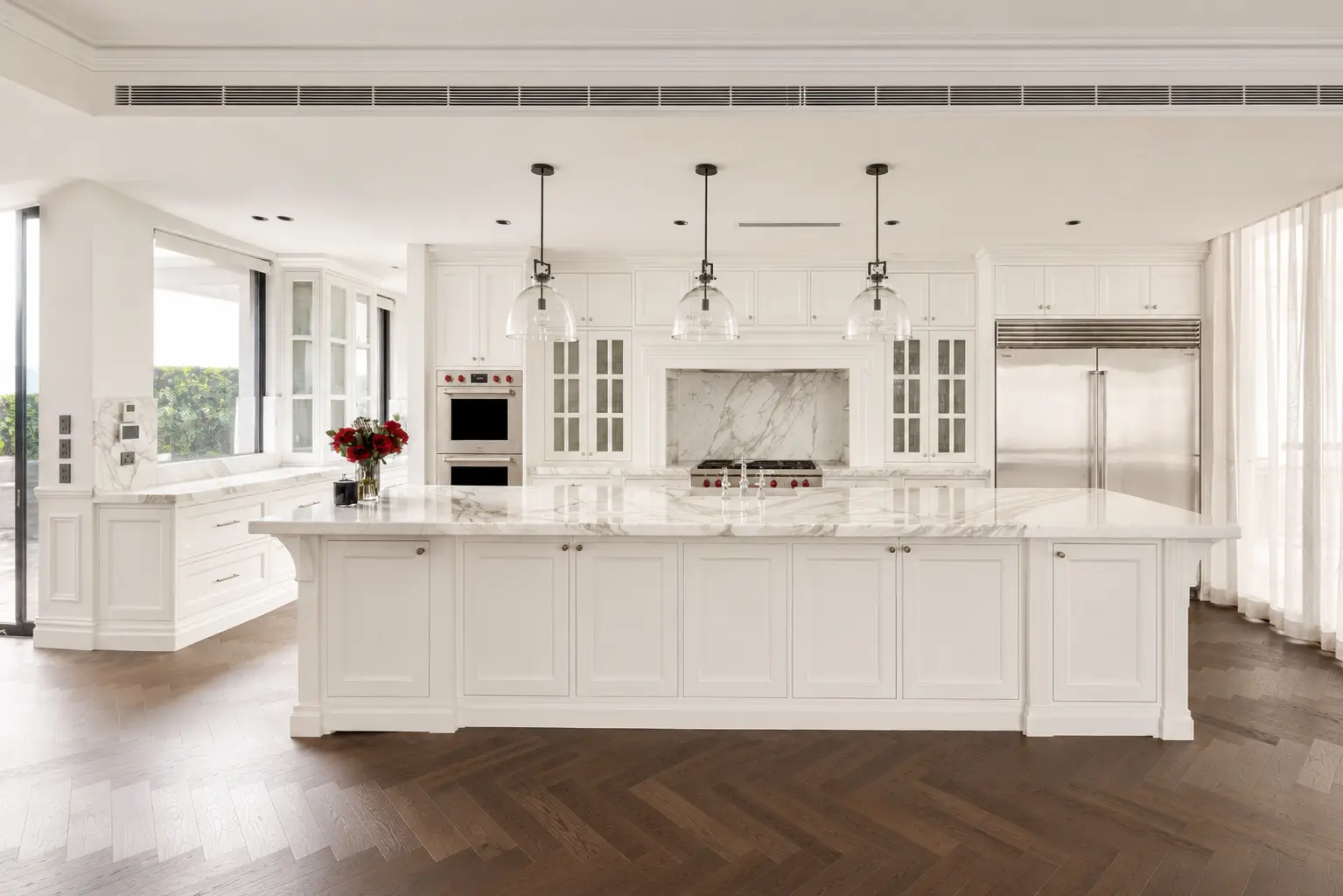
Provincial kitchens have a warmth that is difficult to miss. We often work with profiled cabinetry, detailed joinery, beautiful hardware and natural finishes to give these kitchens their distinctive character. The details are more noticeable than in a contemporary kitchen, but they should never feel excessive.
We find this style works especially well in heritage homes, Federation-style properties and larger family homes where there is already a strong sense of character. It can also be simplified for more modern interiors. For us, the key is maintaining the balance and keeping the charm of provincial design without making the kitchen feel dated or overly traditional.
Mid-Century Kitchens: Natural, Distinctive and Full of Character
Mid-century kitchens have a character that is easy to recognise without being overly decorative. Natural timber, simple cabinetry, clean geometry and thoughtful use of colour all play a part in creating the look. There is often a strong connection between the materials used and the architecture of the home.
When we design a mid-century-inspired kitchen, we focus on taking the elements that made the style so distinctive and making them work for modern life. The result never feels like a recreation of a kitchen from another era. It feels thoughtful, functional and completely at home in the space it occupies.
Contemporary vs Provincial vs Mid-Century: What Actually Changes?
Once you see these styles side by side, the differences become much clearer. Contemporary kitchens tend to keep things streamlined, provincial kitchens embrace more traditional detailing, while mid-century kitchens make greater use of natural materials and distinctive forms.
Here's how we generally see the three styles differ:
What If You Love Elements of More Than One Style?
You don't have to choose one style and follow every rule that comes with it. In fact, many of the kitchens we design bring together ideas from different periods and styles. You might prefer contemporary cabinetry but love the natural timber associated with Mid-Century design, or want some of the detailing of a Provincial kitchen without making the entire space feel traditional.
This is where custom kitchen design gives you more freedom. Our modern kitchen designers can take the elements you genuinely like and work out how they fit together, while making sure the finished kitchen still feels balanced, practical and connected to the rest of your home.
Five Questions to Ask Before Choosing Your Kitchen Style
Before deciding between contemporary, provincial or mid-century, we encourage homeowners to think about a few practical things first. Your answers can quickly show which style is likely to work best and where you may need to adapt it.
1. Are you renovating the kitchen alone or changing the rest of the home too?
If the surrounding rooms are staying as they are, your new kitchen needs to work with them. A larger renovation gives you more freedom to introduce a completely different design direction.
2. Is your kitchen open to the living and dining areas?
In an open-plan home, the kitchen is always visible. Its cabinetry, colours and materials effectively become part of the living space, so the style needs to work beyond the kitchen itself.
3. What features of the existing home do you want to keep?
Original floors, exposed brick, decorative ceilings, timber details or existing joinery can influence which kitchen style feels most natural in the space.
4. Do you want the kitchen to blend in or become a feature?
Some homeowners want cabinetry that quietly disappears into the room. Others want the kitchen to have a strong identity through timber, detailing, colour or statement finishes.
5. Are you choosing for the home you have or the home you want to create?
This is an important distinction. Sometimes the right kitchen follows the existing character of the property. Other times, it becomes the starting point for a broader change in how the home looks and feels.
Let’s Find the Right Kitchen Design for Your Home
The right kitchen style is not simply the one you like most in a photograph. It needs to work with your home, suit the way you live and still feel right years after the renovation is complete.
At Dégabriele Kitchens & Interiors, we’ve been designing custom kitchens across Sydney since 1980. Our designers can help you explore different styles, materials and possibilities before creating a kitchen that feels distinctly yours.
If you’re planning a kitchen renovation, visit one of our Sydney showrooms and start the conversation with our team.
Recent Posts

Gallery