What Makes a Kitchen High-End (And What's Just Expensive)
A truly high-end kitchen is not defined by its price tag, but by thoughtful planning, custom joinery, quality craftsmanship and everyday functionality. The article explains where to invest, which features matter most, and why timeless, integrated design often creates greater long-term value than expensive but unnecessary upgrades.


.png)
Most people assume a high-end kitchen simply costs more. More expensive stone, premium appliances and designer tapware must mean a better kitchen, right? Well, not necessarily.
A $10,000 appliance package can make a kitchen more expensive without improving it. If the fridge door clashes with the island, the dishwasher blocks the main walkway and there's nowhere sensible to put the coffee machine, the budget hasn't solved the right problem.
The kitchens that leave a lasting impression are rarely the ones with the biggest price tags. They're the ones that have been carefully planned, expertly built and designed to suit the people who use them every day. In fact, today's luxury kitchens are moving away from obvious displays of wealth and towards thoughtful design, integrated features and timeless craftsmanship.
You Can See The Price But Not The Quality
Walk through a kitchen showroom and it's easy to spot where the money has gone. Marble benchtops, oversized appliances and statement lighting immediately catch your eye.
What you don't notice straight away is whether the layout works.
Can two people cook comfortably without getting in each other's way? Is there enough storage where it's actually needed? Does opening the dishwasher block access to the bins?
These are the questions that separate an expensive kitchen from a genuinely high-end kitchen.
The Best Kitchens Solve Problems Before They Impress
Consider a couple who cook together most nights. One might be preparing vegetables while the other is moving between the cooktop and refrigerator. If the sink, cooktop and fridge are positioned too far apart, they're constantly crossing paths. A better design gives each person enough room to work without getting in the other's way, while keeping the fridge, bins and dishwasher within easy reach. Nothing about that decision looks particularly glamorous in a showroom. Living with it every day feels luxurious.
Experienced designers know that good planning improves your daily routine long after the excitement of a new kitchen has faded.
Where the Money Actually Goes
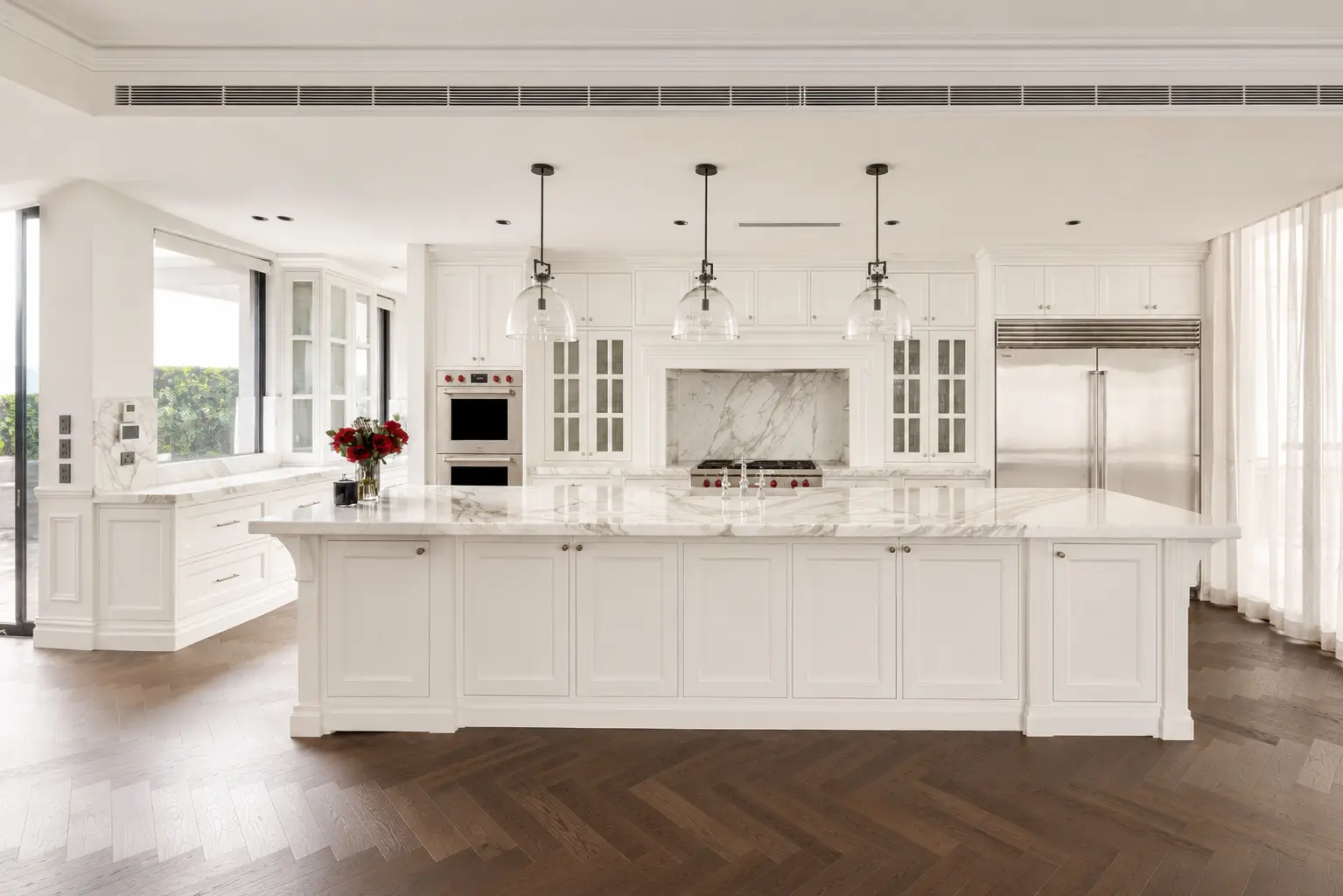
Many homeowners expect the stone benchtop to be the biggest expense. In reality, custom joinery is often where much of the investment sits. That's because bespoke cabinetry is built specifically for your home rather than selected from standard sizes.
Think about a wall that isn't a perfect standard width. With off-the-shelf cabinetry, you may end up with filler panels or awkward gaps. With custom joinery, the cabinetry can be designed around the room itself, including awkward corners, ceiling height and the way you actually use the space.
You're paying for things like:
- Full-height pantry storage
- Deep drawers for pots and pans
- Internal drawers for smaller items
- Appliance garages
- Integrated bins
- Custom shelving
- Quality drawer runners and hinges
- Skilled craftsmanship and installation
These details aren't always obvious on day one, but they're the ones you'll appreciate every time you open a drawer.
The Features Worth Paying For (And the Ones That Aren't)
Some upgrades genuinely improve the way a kitchen functions. But others simply increase the invoice. The difference often becomes clear only after you've lived with the kitchen for a few years.
Here are a few things that are worth the investment:
- Quality drawer runners and hinges
- Custom storage designed around your needs
- Durable benchtop materials
- Good task lighting
- Thoughtful power point placement
Think twice before you spend heavily on:
- Appliances with features you'll rarely use
- Oversized appliances chosen mainly for appearance
- Trend-driven finishes that may date quickly
- Decorative upgrades that take space away from useful storage
The best investments are usually the ones that continue to perform well even after ten or fifteen years.
Why Today's High-End Kitchens Look Simpler
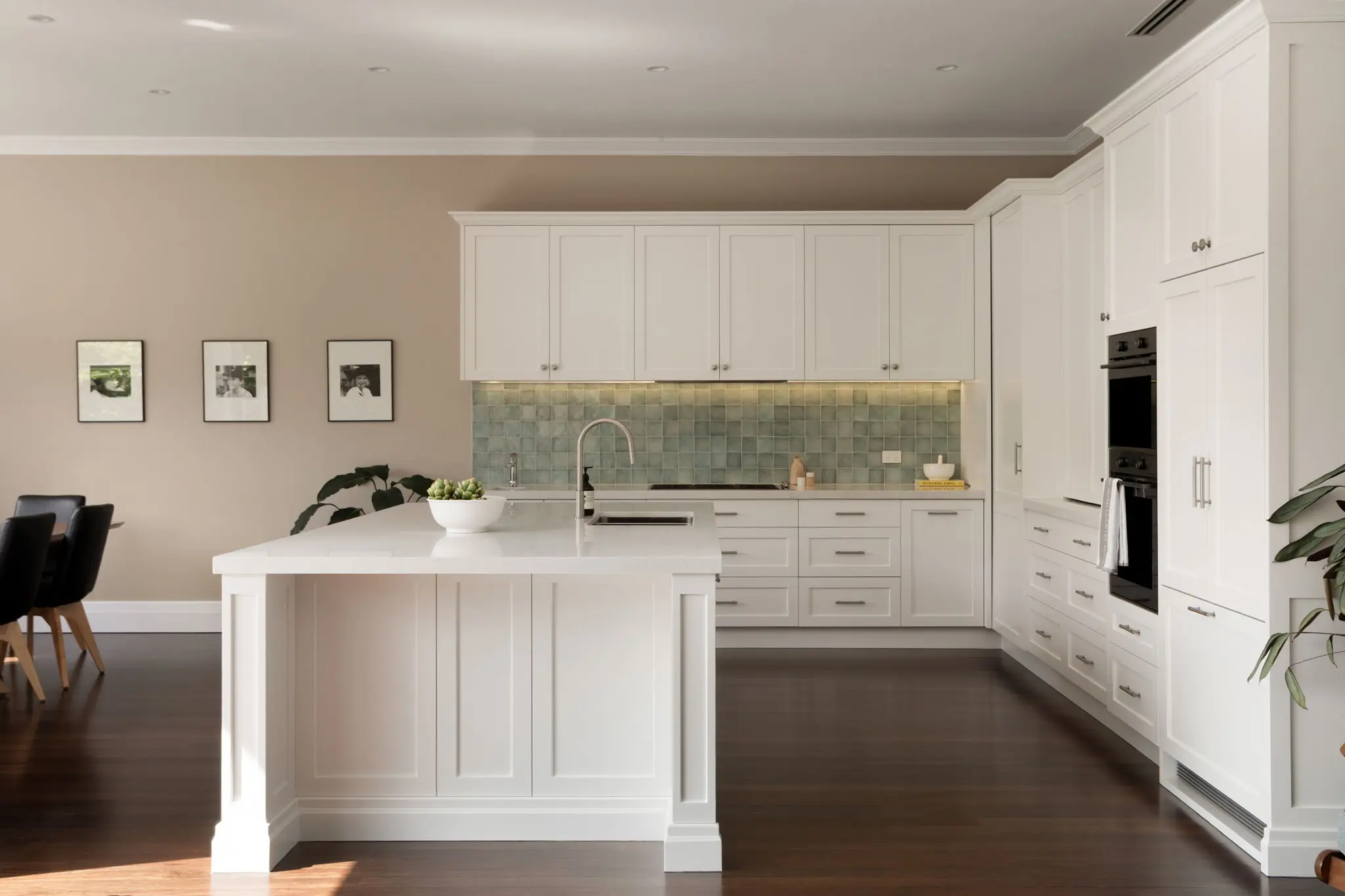
Luxury kitchen design has changed over the years. A decade ago, premium kitchens proudly displayed large stainless steel appliances and dramatic range hoods. Today, designers are increasingly concealing those elements behind cabinetry, allowing the materials and craftsmanship to become the focal point instead.
You might have a full-height bank of cabinetry hiding the refrigerator, pantry and small appliances. From across the room, it reads as one clean architectural element. Open the doors and there's an entire working kitchen inside. Integrated fridges, hidden pantries and seamless storage create a space that feels calmer, cleaner and more architectural.
Ironically, some of the most expensive kitchens you'll see don't immediately look expensive at all. That's often the point.
Invest in the Kitchen You'll Still Love in 20 Years
A truly high-end kitchen isn't built around trends or brand names. It's built around the people who use it.
That means the space should work around the way you actually live. It makes room for the way you cook, the way you store things and the way your household moves through the space. The cabinetry fits the room rather than forcing the room to fit standard sizes. Materials are chosen to last and not simply to make an impression on day one.
That's the difference between spending more and investing wisely, and it's the philosophy behind every bespoke high-end kitchen created by Dégabriele Kitchens and Interiors.
Recent Posts

Gallery